Cake Order Form Sample: Nine Parts, Filled In
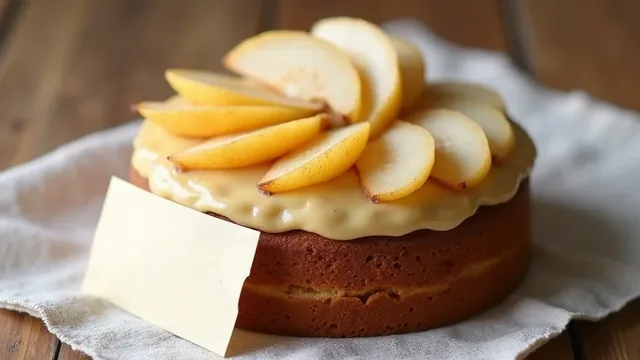
Writing your first order form is easier when you can see one already filled in. A cake order form sample has nine parts, and the one below shows each part with a real answer and the mistake it prevents.
Everything below is one row. Each section names a part, shows the answer, and says what goes wrong without it.
A good order line lets a stranger bake the same cake you would.
A full cake order form sample, read left to right
Here is the whole row in one table. Every later section picks one cell and explains it.
| Part | Sample answer |
|---|---|
| Date needed | 2026-10-07 |
| Size | 8 inch |
| Flavor | Brown butter pear |
| Filling | Pear compote |
| Frosting | Brown butter cream |
| Writing | Happy day June |
| Servings | 12 |
| Allergens | Wheat, dairy, egg |
| Status | Confirmed |
1. Date needed: a real date, not "next Friday"
Type the date the cake must leave your kitchen, in one format, such as 2026-10-07. Every order on the sheet then sorts the same way. "Next Friday" read on a Sunday means something different from the same words read on a Wednesday.
A wrong date means a cake baked for the wrong weekend.
2. Size: say it the way you bake it
Write "8 inch" or "6 inch", the pan sizes you own. A customer who writes "medium" has not told you anything.
Show customers the servings first and the size second, for example "serves 12, 8 inch". Ask for both together (see part 7). The two numbers check each other.
3. Flavor: one flavor per cake, written plainly
Our row says "brown butter pear". Use the name you would say out loud. When a cake has two flavors in two layers, name both.
A vague flavor means a lemon cake going out where a vanilla one was ordered.
4. Filling: the layer between
The filling gets its own box because it is often the part customers forget to mention. Here the filling is pear compote.
A filling that needs the fridge matters more than it looks. Some cottage food laws limit what you can sell. Alabama's extension service says baked goods with a component that requires refrigeration, such as a cake with a whipped topping, cannot be sold directly to the consumer under its cottage food law. Your state may differ. Look up your own rule before you offer a fresh cream filling.
5. Frosting: name it, so you can price it
Frosting is a separate box from filling. Here it is brown butter cream.
If you ever price by the cake, the frosting is a cost line of its own. Keeping it in its own column now means the number is there when you need it.
6. Writing: exactly what goes on top
Type the words in quotes, with spelling and capitals. Ours says "Happy day June". Leave the box blank for a cake with no writing.
7. Servings: the number that checks the size
The row lists 12 servings for an 8 inch cake. A second sample row in the same file lists 8 servings for a 6 inch cake. Say a customer asks for 30 servings and an 8 inch round. The two numbers disagree, and you have found the problem before you bake.
The Cake Order Form adds the servings column into one total at the bottom of the sheet. Change a number and the total changes with it.
8. Allergens: one box, always filled in
Write every major allergen the cake contains, and let the customer add any they must avoid. This row lists wheat, dairy and egg. The U.S. Food and Drug Administration names nine major food allergens: milk, eggs, fish, crustacean shellfish, tree nuts, peanuts, wheat, soybeans and sesame.
Treat a blank box as a missing answer. If there is nothing to report, write "none".
9. Status: where the order stands
Status is a short list you pick from: confirmed, in the oven, on hold. Our row says confirmed. A picked word keeps the same spelling on every row, so you can scan the column in a second.
Money and terms sit outside the nine parts
The nine parts describe the cake. Price, deposit and balance go on three lines of their own, under the cake. For example: total $64, deposit $20, balance $44. The balance is the total minus the deposit.
Terms can be three short lines: how a customer cancels, how they change the order, and when they collect it. Write them in your own words and keep a copy with the order.
How to choose which parts to keep
You do not need all nine on every form. Keep a part when getting it wrong costs you a cake. If you bake only a few cakes a month, keep four. Those are date needed, size, flavor and allergens. Add the rest as the orders grow.
| Part | Keep it when | Skip it when |
|---|---|---|
| Date needed | Always | Never |
| Size and servings | Always | You bake one size only |
| Flavor, filling, frosting | Customers choose each | You sell fixed flavors |
| Writing | You write on cakes | You never do |
| Allergens | Always | Never |
| Status | You run several orders at once | You take one order a week |
The Cake Order Form has all nine as columns, so you can leave a column empty without rebuilding the sheet.
Where this sample falls short
The nine parts describe the cake. They do not hold the customer. There is no name, phone number, deposit or pickup time in the nine parts, so those go in your messages or a separate sheet. A bakery that needs deposits and balances on the same line should start from a form that has them.
Before you pay for anything, know what the file is and what the $4.99 buys. The Cake Order Form is an .xlsx workbook. It opens in Excel, and in Google Sheets after you upload it to Google Drive. Its first tab, How to use, explains the sample row and how to clear it. It holds twelve order rows on one sheet and it does not take orders from customers online. You fill it in. You are paying for the status drop-down, the servings total and the locked headers, so you do not build them yourself. If a free document with these nine lines is enough for you, use that. Its How to use tab talks about cells and drop-downs, not menu clicks, so the steps read the same in Excel and in Google Sheets.
Frequently asked questions
How to make a cake order form?
List the parts of the cake in the order you ask about them: date needed, size, flavor, filling, frosting, writing, servings, allergens and status. Give each part its own box, one row per cake.
How do I ask for a cake order?
Send the customer the form, or fill it in with them on the phone. Ask the parts in the same order every time so nothing is skipped.
Conclusion
A cake order form sample is nine short answers on one line. Read yours back the way a stranger would. Could someone else bake this cake from the line alone? If not, a part is missing or too vague. Fix that before the next order.
Sources
- U.S. Food and Drug Administration, Food Allergies (n.d.)last checked October 7, 2026
- Alabama Cooperative Extension System, Alabama Cottage Food Law (2024)last checked October 7, 2026