Bakery Expenses List: Seven Costs to Plan
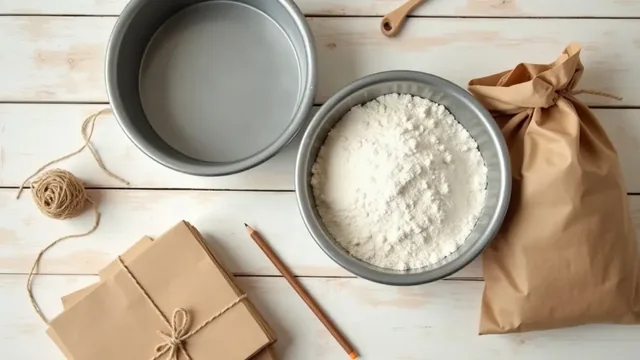
Counting only the flour is an easy mistake for a new baker. A bakery expenses list names every cost you will pay before the first order: ingredients, packaging, equipment, training, insurance, selling costs and delivery.
The list below names categories, not prices, because your costs depend on your recipes, your state and your volume. The one worked example uses the pack sizes and prices from the First Month Packaging sample. Tax points come from the IRS and are not tax advice. Checked October 2026.
Here is how the seven groups divide.
1. Ingredients: the cost that grows with every cake
Flour, butter, sugar, eggs, chocolate and flavors are the cost you already know. Record them by recipe so each cake carries its own ingredient cost. Buy by pack and track what is left over.
A stock list and a recipe cost sheet turn this line from a guess into a number. Do it before you set a price.
Here is a budget for the first month. In the Cake Price and Margin sample, one 8-inch layer cake takes $6.40 of ingredients. Twelve cakes need $76.80 (12 × 6.40). Your recipes will differ, so replace that figure with your own cost per cake.
2. Packaging and labels: bought in whole packs
Boxes, boards, liners, bags and stickers come in packs, so the first month costs more per cake than later months. In the First Month Packaging sample, a baker expects 12 cakes and needs one box, one board and one liner per cake. Boxes come in packs of 6 at $14.40, boards in packs of 10 at $9.50, and liners in packs of 25 at $7.25.
So the baker buys 2 packs of boxes ($28.80), 2 packs of boards ($19.00) and 1 pack of liners ($7.25). The total is $55.05, or about $4.59 a cake. The baker ends with 8 spare boards and 13 spare liners, which cover later cakes.
| Item | Pack size and price | Packs bought | Cost |
|---|---|---|---|
| Boxes | 6 at $14.40 | 2 | $28.80 |
| Boards | 10 at $9.50 | 2 | $19.00 |
| Liners | 25 at $7.25 | 1 | $7.25 |
Add labels, ribbon and twine for finishing to this line. The printing cost is small, but the label stock and ink repeat.
3. Equipment: one-time buys and what the IRS calls start-up costs
Pans, a scale, an oven thermometer, a mixer and decorating tools are bought once. The IRS says you usually recover the cost of an asset such as machinery or office equipment through depreciation. It also says you can elect to deduct up to $5,000 of business start-up costs, reduced by the amount your start-up costs exceed $50,000.
Start with the tools your top three recipes need. A scale and an oven thermometer come first, because every recipe uses them, while a mixer can wait until mixing by hand costs you real hours. Buy the rest when an order asks for them. A tax professional can tell you which treatment applies.
4. Training and registration: check your state
Some states ask for training. Texas says the person who runs a cottage food operation must complete a basic food safety education or training program for food handlers. Texas also says that operations selling certain refrigerated foods must register with the state. The page does not give a course price, so ask an accredited provider.
Michigan says cottage food producers can sell certain foods with no license, registration or inspection. Florida's agriculture department says cottage food operators can sell without obtaining a food permit. None of these pages gives a typical fee for a cottage food operation. Check your own state's page before you assume it is zero.
5. Insurance: a cost people add late
Insurance is a business expense, and the IRS lists it among the costs of running a vehicle for business as well. The sample file for Cottage Start Records has a field for your insurer. A policy for your bakery is a recurring cost, so give it its own row.
Ask an insurance agent what covers food sold from a home kitchen. This list cannot price it for you.
6. Selling costs: your website, photos and payment fees
Advertising, a simple website, photos, business cards and card or app fees all land here. Advertising is among the start-up costs a new business may have, according to the IRS. Count each month, because they repeat.
A free social page costs nothing, but your time spent on it is a cost.
7. Delivery and the home you work in
If you deliver cakes in your own car, the IRS says you can deduct the costs of operating it. You can use either the actual expenses or the standard mileage rate. Actual expenses include gas, oil, tires, insurance, parking, tolls, repairs, licenses and depreciation. If you use the car for both business and personal driving, you must divide the costs between the two by miles driven.
Part of your utilities may belong here too. For deducting the business use of your home, the IRS also sets two tests. The space must be used exclusively and regularly for your business. It must also be your principal place of business or meet one of two other conditions. Your kitchen is also your family's, so ask a tax professional whether you qualify.
How to choose which bakery expenses to list first
Start with the costs you pay before the first order, then add the ones that repeat.
| Group | When you pay | Where to record it |
|---|---|---|
| Ingredients | Every batch | Recipe cost sheet |
| Packaging and labels | Whole packs, first month heavy | Packaging list |
| Equipment | Once | Expense log |
| Training and registration | Before you sell | Expense log |
| Insurance | Monthly or yearly | Expense log |
| Selling costs | Monthly | Expense log |
| Delivery and home | Per trip or per month | Mileage and expense log |
Every sale hides a list of costs that someone paid first.
To see whether a price covers your costs, add up the costs per cake and compare. In this example, ingredients are $6.40 and packaging is about $4.59. So a cake costs $10.99 before your time, delivery and the rest of the list. A price below $10.99 loses money before you count a minute of your own work.
You can keep this list in the twelve home bakery spreadsheets, where First Month Packaging does the pack rounding and Ingredient On Hand tracks what is left. Each file's How to use tab names no app menu except Excel's Review, Unprotect Sheet and the Name Box, which both apps have. So the steps read much the same in Excel and in Google Sheets.
When a free notebook list is enough
A bakery expenses list does not need a spreadsheet. A free notebook with one line per receipt works, and a blank workbook costs nothing. The IRS says the law does not require any specific kind of records. The files add pack rounding (First Month Packaging), a stock list with a shop list (Ingredient On Hand) and a price check (Cake Price and Margin). They are worth paying for only if you would rather not build those formulas. They are the wrong tool if you sell only a few times a year, where a shoebox of receipts and a tax professional will do.
Frequently asked questions
What expenses does a bakery have?
A home bakery pays for ingredients, packaging and labels, equipment, food safety training, insurance, advertising, delivery and a share of home costs. The list below sorts them into seven groups.
What are the downsides of owning a bakery?
Costs arrive before sales do, and some of them are lumpy. Packaging comes in whole packs, equipment is a one-time buy, and your own time is a cost that no receipt shows. Writing the list first shows the size of the gap.
Conclusion
Seven groups cover most of what a home bakery pays. Write each one down before the first order, price a month of cakes against them, and update the list as real receipts arrive. Where a cost depends on your state or your tax situation, ask the state agency or a tax professional, because this list names categories and not rules.
Sources
- Internal Revenue Service, Publication 583: Starting a Business and Keeping Records (12/2024)last checked October 7, 2026
- Texas Department of State Health Services, Texas Cottage Food Productionlast checked October 7, 2026
- Michigan Department of Agriculture and Rural Development, Selling and Samples - Cottage Food (archived 2026-06-14)last checked October 7, 2026
- Florida Department of Agriculture and Consumer Services, Cottage Foodslast checked October 7, 2026